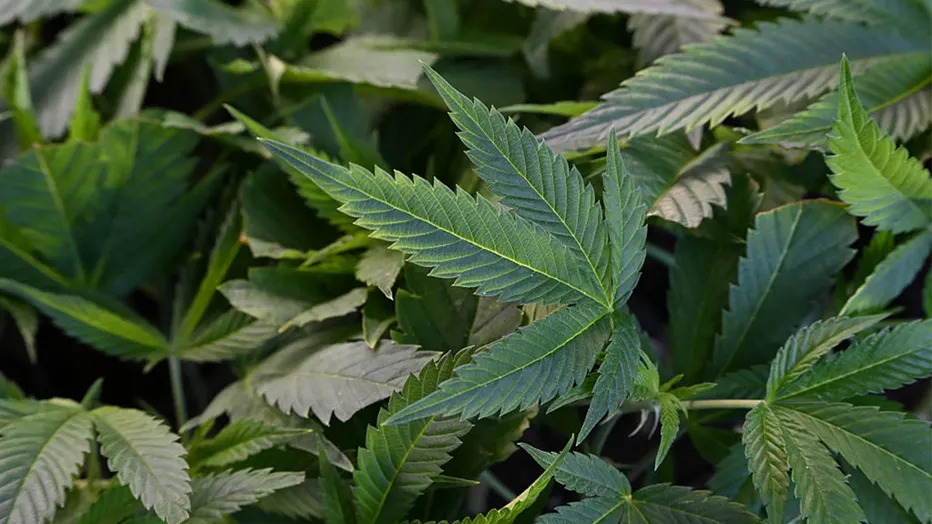
President Donald Trump said Monday he is reviewing whether to support reclassifying marijuana as a less dangerous drug under federal law, signaling the administration could move closer to a stance already adopted in many states.
Trump told reporters he hopes to decide “in the coming weeks” on whether to back changes to the way marijuana is regulated. The renewed focus comes more than a year after the Biden administration formally proposed moving marijuana from a Schedule I to a Schedule III substance, a change that never took effect before Biden left office.
“I’ve heard great things having to do with medical [marijuana] and bad things having to do with just about everything else,” Trump said, calling the issue “very complicated.”
Current Federal Policy
Under the Controlled Substances Act, marijuana remains a Schedule I drug, classified alongside heroin and LSD. Possession is a federal crime punishable by fines and imprisonment, while cultivation and distribution can carry penalties from five years to life, depending on quantity.
The Justice Department under Biden proposed shifting marijuana to Schedule III, a category that includes ketamine and certain anabolic steroids, in 2024. Nearly 43,000 public comments were submitted on the proposal before the Drug Enforcement Administration’s review was interrupted by the change in administrations.
Impact of Reclassification
Reclassifying marijuana would not legalize recreational use nationwide. Instead, it would ease some restrictions on research and allow marijuana businesses in states where it is legal to claim federal tax deductions currently barred for Schedule I and II drugs.
However, according to the Congressional Research Service, rescheduling alone would not significantly alter banking restrictions, meaning many cannabis businesses would still face hurdles accessing loans and financial services.
Political and Law Enforcement Pushback
Marijuana advocacy groups have long urged the federal government to loosen restrictions, particularly for medical use. As a candidate, Trump suggested he would “focus on research to unlock the medical uses of marijuana to a Schedule 3 drug.”
But resistance remains strong among some conservatives and law enforcement organizations. The National Sheriffs’ Association has argued marijuana poses a “high abuse potential” and cited links to “extreme intoxication” and fatal vehicle crashes in its opposition.
State-Level Trends
Medical marijuana is now legal in 40 states and the District of Columbia, while 24 states and D.C. allow recreational use by adults. The legalization trend has slowed, with recent ballot measures failing in Florida, North Dakota, and South Dakota. In Florida, a majority voted in favor of recreational marijuana, but the measure fell short of the 60% threshold required for a constitutional amendment.
Some states are moving in the opposite direction. Idaho lawmakers advanced a constitutional amendment that would prevent voters from legalizing marijuana through ballot initiatives, reserving that power for the Legislature.
Public Opinion and Use Data
Polling shows national support for legalization remains strong. An AP VoteCast survey conducted during last year’s election found roughly six in 10 voters favor legalizing recreational marijuana nationwide. Gallup data shows support has grown from 36% in 2005 to 68% in 2024.
Usage rates are also on the rise. A federal Substance Abuse and Mental Health Services Administration survey found that 22.3% of Americans, about 64 million people, used marijuana in the past year, up from 19% in 2021. Adults aged 26 and older drove much of the increase, though young adults 18 to 25 remain the most frequent users, with 35% reporting use.
Trump’s decision could mark a significant shift in federal marijuana policy, but any change is likely to stop short of full nationwide legalization.