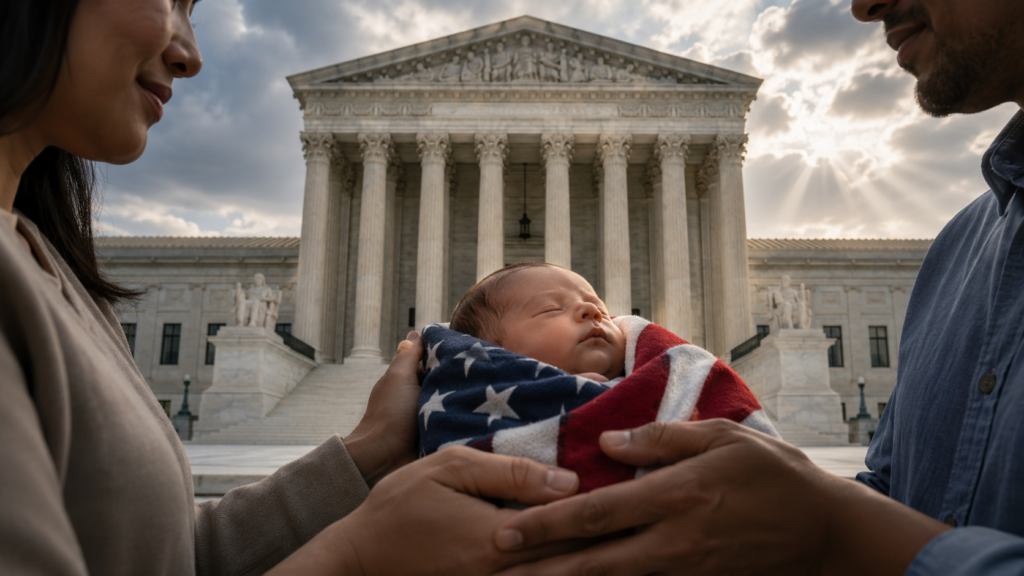
The Supreme Court on Tuesday issued another blow to Trump by upholding birthright citizenship.
In a decision written by Chief Justice Roberts, the justices sided with the challengers in Trump v. Barbara and all of the lower courts nationwide that have deliberated over the issue. Put succinctly, Trump’s executive order is in conflict with the 14th Amendment to the Constitution that guarantees citizenship to anyone born in the United States.
The 14th Amendment, adopted in 1868, was meant, in part to overturn the Supreme Court’s infamous 1857 Dred Scott decision, which held that a Black person descended from enslaved people was not a U.S. citizen and therefore was not entitled to protection from the federal courts.
In the majority opinion, Roberts stressed that children who are born to parents who are unlawfully or temporarily in the United States meet the elements of the clause conferring citizenship.
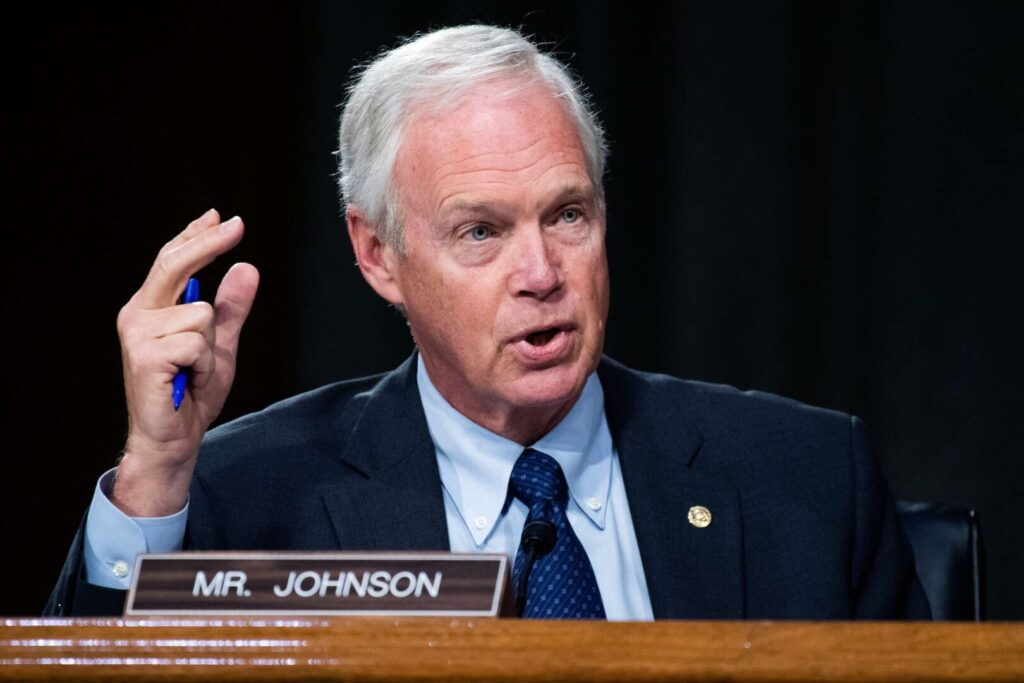
Trump loyalist Justice Alito issued the dissenting opinion calling the decision one of the most important decisions in the history of the SCOTIS and a mistake.
“Careful analysis of the text of the Fourteenth Amendment and the process that led to its adoption shows that it does not degrade the concept of United States citizenship in this way. Instead, the Fourteenth Amendment confers citizenship on only those children who, at birth, owe allegiance solely to this country,” he wrote.
This case was centered on an executive order that Trump put in place the day he was inaugurated for his second term in 2025 that held that babies who are born in the United States to parents who are undocumented or here temporarily are not automatically guaranteed legal status.
The order was supposed to go into effect a month after he signed it, but it never did. Several federal judges nationwide contended with the order and ruled it unconstitutional which prohibited the administration from enforcement as it moved through the courts.
Last spring, the administration petitioned the SCOTUS over the matter in an effort to keep the order from being on a permanent hold due to perpetually bouncing around the courts. Its question was whether lower courts could issue nationwide injunctions. In Trump v. CASA, the highest court ruled that they could not.
In July 2025, a federal judge in New Hampshire handed down a preliminary injunction blocking the government from enforcing the executive order against a group of babies born after the 30 days when the order would have taken effect, and which would have denied the children citizenship. The judge said that the order likely transgressed the century-old 14th Amendment.
The Trump administration asked the SCOTUS to take up the case in September and the case was argued in April.
After this final ruling, Trump expressed his displeasure with the ruling and suggested a workaround through Congress.
“The Supreme Court upheld Birthright Citizenship, which is too bad for our Country, but we can easily make it up in Congress through Legislation, with the support of the President, that has now been determined during this process,” Trump wrote on Truth Social. “No long and unwieldy Constitutional Amendment is necessary!” he continued.