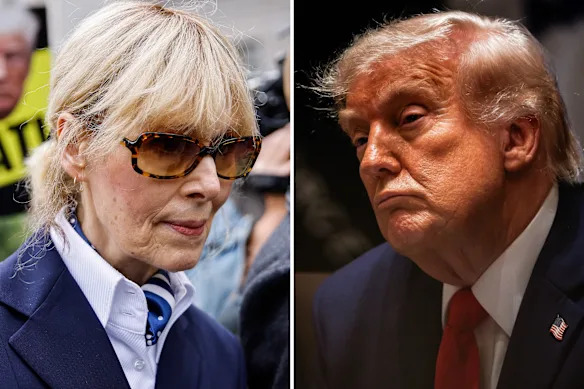
The Department of Justice has launched an investigation into E. Jean Carroll, the woman who successfully sued Donald Trump more than once.
The DOJ has claimed that the advice columnist liked during her civil trial against Trump.
The department is keeping the investigation under wraps and the person who confirmed the investigation did not obtain authorization to speak about the matter publicly. The investigation is being led by federal prosecutors in Chicago, but the acting Attorney General Todd Blanche is not involved due to his relationship with Trump as his personal attorney.
The lawyer for Carroll has declined to comment as of Thursday.
This investigation is yet another in a line of investigations and indictments targeting Trump’s foes. His administration has twice indicted former FBI Director James Comey. He as also targeted New York Attorney General Letitia James after she successfully tried him for a number of financial crimes.
Democrats have been vocal about the lack of independence between the DOJ and the White House.
Carroll has said that what began as flirting turned violent with Trump forcing himself on her in a dressing room at Bergdorf Goodman in 1996.
Trump has repeatedly called the allegations false and verbally attacked the victim’s motivations, blaming it on politics or promotion for her memoir.
In 2023, Trump was found liable for sexual abuse and defamation. Carroll was awarded $5 million. In 2024, she was awarded $83.3 million after suing Trump for defamation related to social media posts about her.
The DOJ is combing through statements that the victim made that nobody helped her pay legal fees. Later it was determined that an organization funded by Reid Hoffman, one of the founders of LinkedIn, had provided funding for the case.
Before the first trial, one of Trump’s lawyers, Alina Habba, tried to delay the case saying that the private funding was a reason to question Carroll’s credibility.
An appeals court upheld the jury’s ruling in 2024.
Earlier this month, a court said that Trump did not have to pay the judgments until the SCOTUS reviews or rejects an appeal.