The United States Supreme Court on Thursday blocked a newly-drawn map in Missouri from being used in the upcoming midterm elections.
Without noted dissent, the justices granted and emergency request brought by People Not Politicians, a group led by Richard von Glahn.
The ruling puts decision by U.S. District Judge Stephen Clark on hold. Clark ruled that the new map should used, notwithstanding the Missouri Supreme Court’s ruling that the map should not be used.
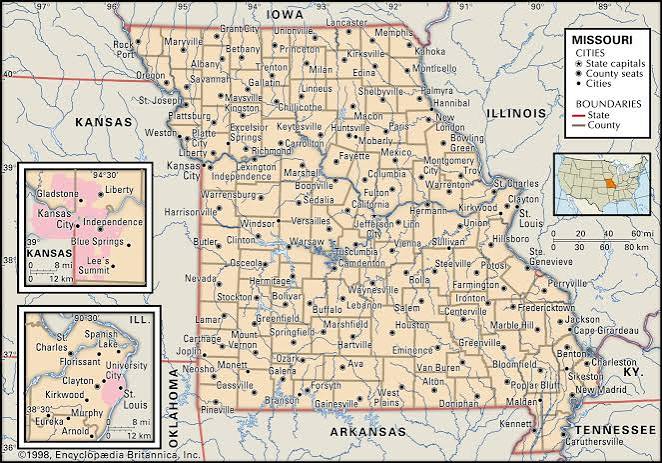
Missouri Republicans approved the new congressional map in 2025. The boundaries would have significantly reshaped the Kansas City-area district represented by Democratic Rep. Emanuel Cleaver, potentially making the seat more favorable to Republicans.
The dispute intensified after opponents gathered enough signatures to seek a statewide referendum on the new boundaries.
On Sept. 3, the Missouri Supreme Court unanimously ruled that congressional redistricting legislation could be challenged through the state’s referendum process. The court ordered election officials to place the issue before voters and barred the state from using the new congressional map in the November election.
Missouri officials then asked the U.S. Supreme Court to intervene.
Justice Brett Kavanaugh initially rejected an emergency request from state officials on Sept. 8. Hours later, however, a federal judge issued a conflicting ruling directing Missouri to use the newer districts, creating uncertainty over which boundaries would govern the election.
The Supreme Court’s Sept. 10 order resolved that immediate conflict by blocking use of the Republican-backed map.
The legal battle comes amid a broader wave of mid-decade redistricting efforts across the country as both parties fight for control of the narrowly divided U.S. House.
Missouri Republicans argued that changing maps after the state had already used the new boundaries during its August primary could create significant logistical problems for voters, candidates and local election officials.
Opponents countered that the new map could not legally take effect while Missouri voters had a pending right to decide its fate through referendum.
The Missouri Supreme Court said the referendum process meant the 2025 map was not yet legally operative for the November general election.
The U.S. Supreme Court’s action does not permanently resolve the dispute over the map. Litigation over Missouri’s congressional boundaries is continuing in federal court, meaning the issue could return to the justices.