
Donald Trump on Monday announced his administration’s findings on autism that focused mostly on the disorder’s link to Tylenol.
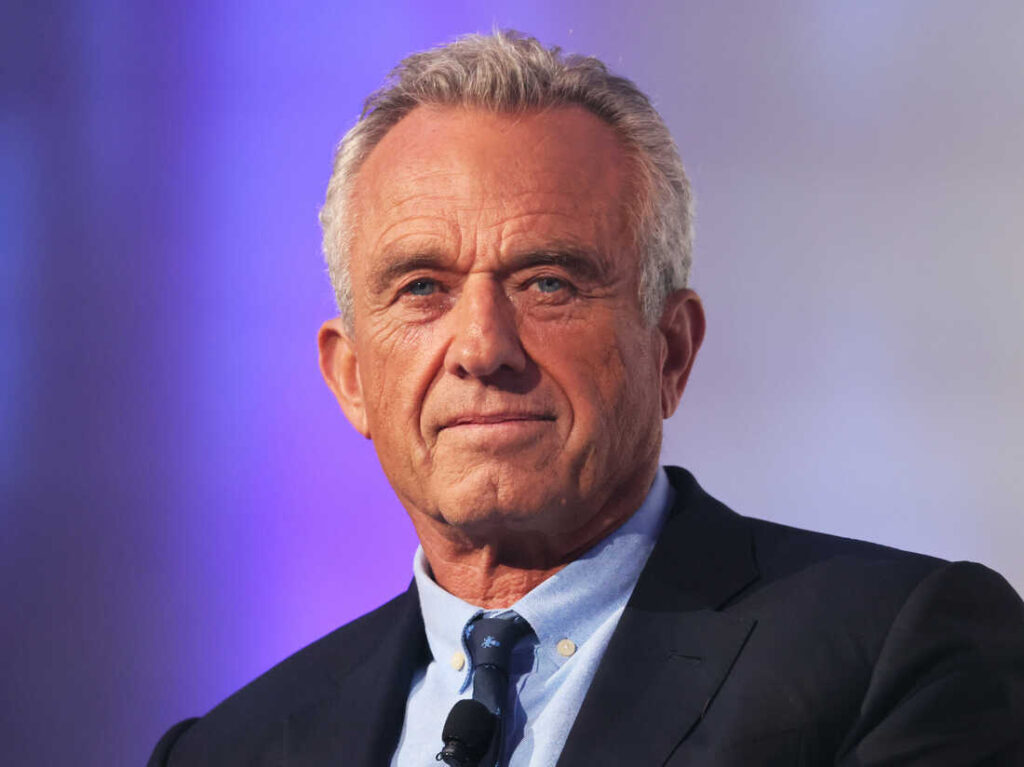
Joined by Health and Human Services Secretary Robert F. Kennedy, Jr., Trump also announced that the Food and Drug Administration has moved to approve a chemotherapy drug to deal with the symptoms of autism.
“For too long, families have been left without answers or options as autism rates have soared,” Kennedy said in a statement posted on the HHS website. “Today, we are taking bold action – opening the door to the first FDA-recognized treatment pathway, informing doctors and families about potential risks, and investing in groundbreaking research.”
Although Kennedy went on to say that the agency will “follow the science,” neither of the two initiatives have been scientifically proven to be effective at preventing or managing autism spectrum disorder.
Unfounded claims about autism
To date, there is no known single cause of autism. In fact, science has linked autism spectrum disorder to hundreds of gene patterns and found that even environmental factors cannot explain all autism diagnoses.
Though decades of research and evidence that acetaminophen, brand name Tylenol, is safe for women who are expecting, at his press conference, Trump said that the FDA will begin notifying doctors that the use of the drug during pregnancy could be associated with a “very increased risk of autism.”
In fact, acetaminophen is known as the only safe OTC option for pain or fever for pregnant women.
“Pregnant patients should not be frightened away from the many benefits of acetaminophen, which is safe and one of the few options pregnant people have for pain relief,” said Dr. Christopher Zahn, ACOG’s chief of clinical practice.
Kennedy not only claimed that autism is preventable, but said that, “We know it’s an environmental exposure. It has to be. Genes do not cause epidemics. They can provide a vulnerability, but you need an environmental toxin.”
But experts also disagree with that assertion.
“Autism is not an epidemic, nor is it a disease, and nor is it preventable,” explained M. Remi Yergeau, a Carleton University professor and Canada Research Chair in Critical Disability Studies and Communication.
Kennedy’s HHS also sought to explain what it perceived as a troubling increase in autism diagnoses among children, particularly severe cases.
The Centers for Disease Control and Prevention found that the prevalence over two years went from 1 in 31 to 1 in 36 for 8-year-olds diagnosed with autism. The center attributed this slight increase to better testing and diagnostic screening than in times past.
Furthermore, there is no evidence that severe or profound cases of autism are on the rise or account for the majority of ASD diagnoses.