In what Treasury Secretary Scott Bessant called a “tailored, short-term measure,” President Trump has temporarily halted sanctions against buying Russian oil. For thirty days, countries will be allowed to purchase Russian oil and petroleum products that have been sitting at sea. The sanctions were imposed in response to Russia’s invasion of Ukraine in 2022.
Ukrainian President Volodymyr Zelensky criticized the move during a press conference with French President Emmanuel Macron in Paris on Friday.
“I believe that lifting sanctions will, in any case, lead to a strengthening of Russia’s position. It spends the money from energy sales on weapons, and all of this is then used against us,” Zelensky said in translated remarks reported by The Associated Press. “This easing alone by the United States could provide Russia with about $10 billion for the war”.
The war in Iran has caused a halt in shipping through the Strait of Hormuz, which carries 20% of the world’s oil, due to Iranian strikes on vessels threatening shippers not to pass. In August 2025, the U.S. applied 50% tariffs to imports from India over allegations that the country was buying Russian oil, with it said that India was indirectly financing the war on Ukraine by doing so. As a result, the oil has been sitting off the coast of Asian countries with traders searching for countries willing to buy.
Warren Patterson, head of commodities strategy at Dutch bank ING, noted that because the Strait of Hormuz standoff most closely affects Asian countries, India and neighboring nations are incentivized to take advantage of the temporary lift.
“It makes no sense whatsoever to lift sanctions. The Chinese, Indians and Turks have been buying all of Russia’s oil all along,” said Bill Browder, London-based financier turned sanctions activist.
European leaders have criticized the decision, with Britain’s Liberal Democrats leader Ed Davey accusing President Trump of “helping Russia when he should be fighting them with Ukraine and Europe.”
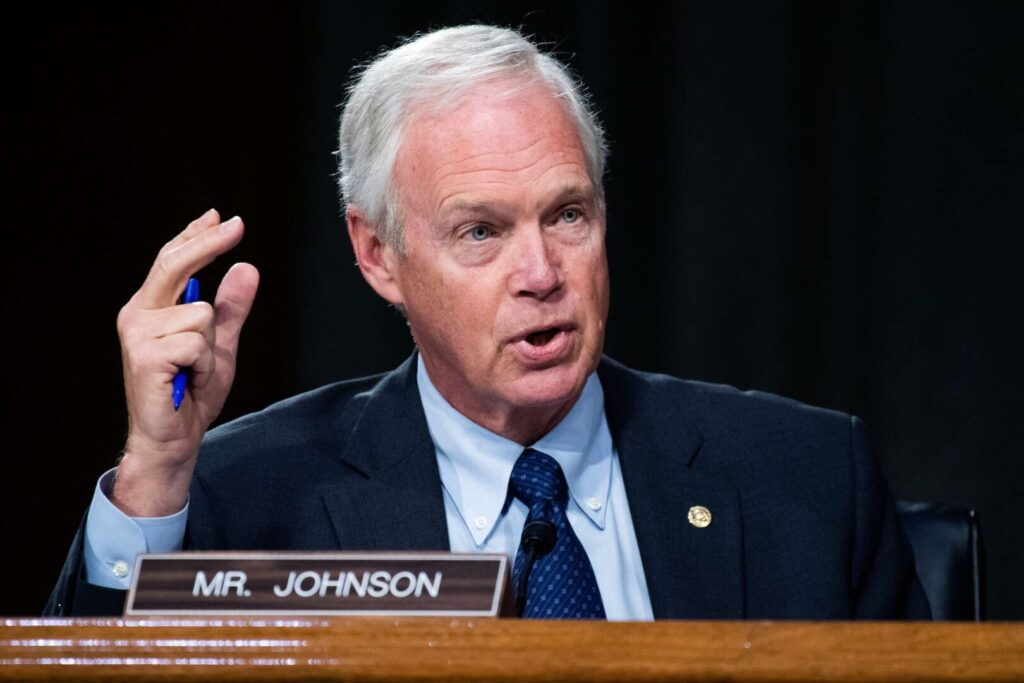
On “Meet the Press”, Senator Adam Schiff (D-California) slammed the waiver as a “terrible decision”, referring to lifting sanctions as “enriching our adversary.”
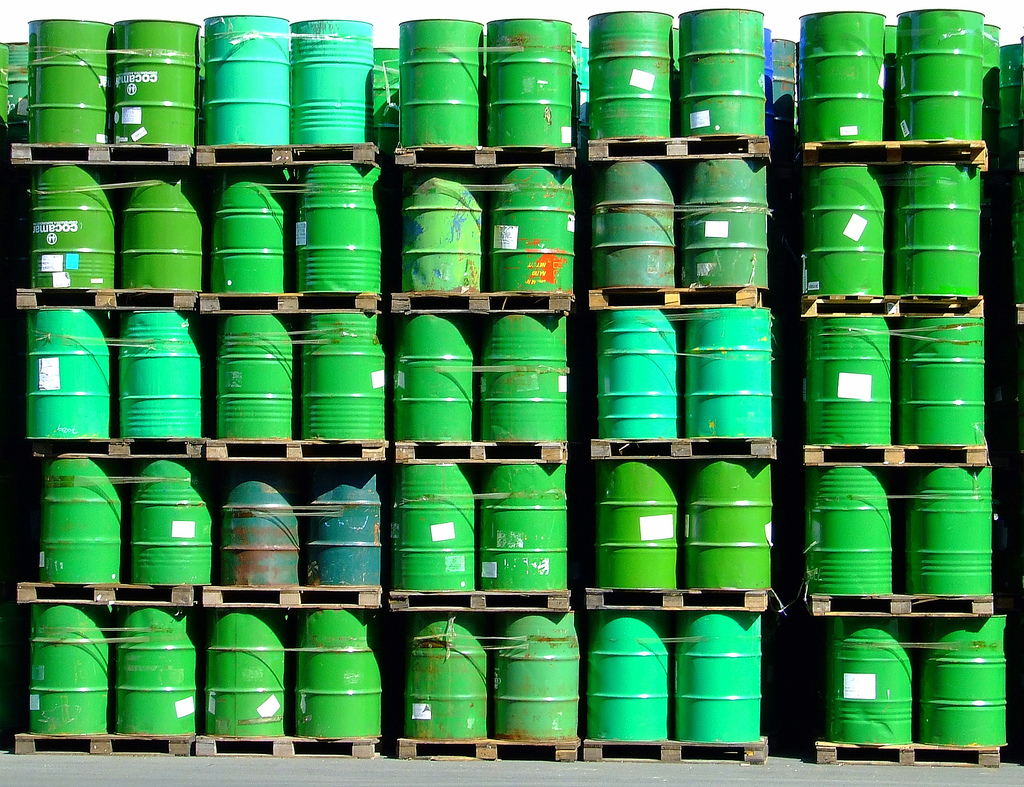
The United States will contribute 172 million barrels of oil.
The International Energy Agency also agreed Wednesday to a historic release of 400 million barrels. This was a measure to aid in mitigating the disruption of oil transit through the Strait of Hormuz, but it failed to lower oil prices. Prices were up to $90 a barrel the same day.
The period ends at midnight ET on April 11.