Political tensions flared anew as the United States stepped up pressure on Venezuela, with some Republican lawmakers openly pushing for military action, a shift that adds to growing concern over the direction of U.S. foreign policy and the risk of broader regional instability.
On Monday, the U.S. formally designated Venezuela’s Cartel de los Soles as a foreign terrorist organization, accusing it of trafficking narcotics into the United States and alleging ties between cartel leadership and Venezuelan government officials. Elvira Salazar, R-Fla., urged intervention in Venezuela, saying the country’s oil reserves and potential economic gains made U.S. military involvement attractive.
“Venezuela, for the American oil companies, will be a field day,” Salazar said, renewing accusations that the push for military action is tied to oil interests rather than solely narcotics or humanitarian concerns.
Military buildup and possible covert operations
Defense officials have also moved forward with a significant military buildup in the Caribbean. United States warships, including a carrier strike group, have been deployed near Venezuelan waters, a show of force the Trump administration says is aimed at disrupting drug-trafficking networks. But many analysts warn the scale of this deployment suggests deeper ambitions.
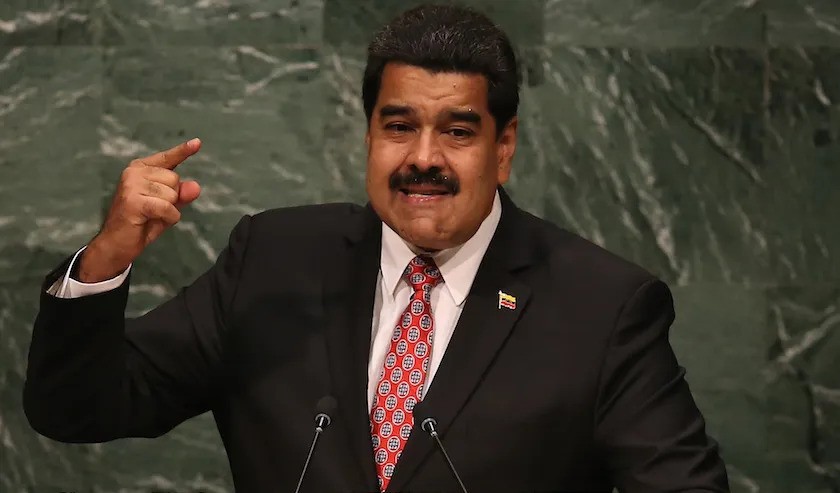
According to U.S. officials quoted in reports, the administration is actively weighing a new phase in its operations against Venezuela, possibly involving covert actions to undermine the government of President Nicolás Maduro.
That has raised alarms among foreign-policy watchers who see a growing risk of U.S. intervention aimed at regime change.
“A significant part of the Trump electorate is very wary about military entanglement with uncertain exit strategies,” observed a senior fellow at an international think tank.
Growing domestic and international concerns
Critics, including human rights advocates, U.S. lawmakers, and international observers, warn that military action or covert operations in Venezuela could destabilize the region, worsen humanitarian suffering, and amount to unlawful intervention under international law.
The Pentagon’s overt involvement and the formal terrorist designation of a group tied to the Maduro government has prompted fresh debate over whether the administration is using national-security rhetoric to justify what some see as oil-driven objectives.
Some U.S. officials maintain the actions are justified as counter-narcotics operations and efforts to protect national security. But opponents argue they represent a dangerous pivot toward re-playing past interventions in Latin America.
As tensions mount, many eyes are now on upcoming congressional hearings, international reactions, and whether the administration will seek explicit authorization for any offensive operations.