Health officials in New York have reported that Legionnaires’ cases are on the rise in Harlem. The number of cases has risen to 99 and four deaths have been reported.
Health officials said Thursday that cooling towers are the likely source of a Legionnaires’ disease cluster in Harlem, after tests confirmed the presence of Legionella bacteria in 12 towers serving 10 buildings, including NYC Health + Hospitals/Harlem.
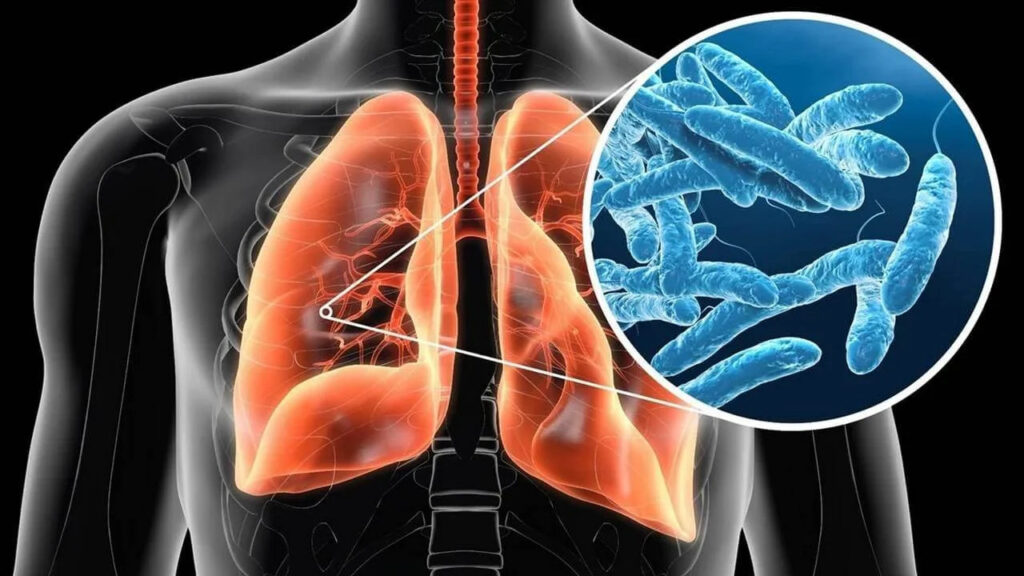
Cooling towers use water to cool large buildings and release mist into the air. If the water is too warm, stagnant, or improperly disinfected, Legionella bacteria can grow and infect people who breathe in the mist.
The Department of Health said 11 of the 12 towers have already been remediated and the final one is expected to be addressed by Friday. Officials emphasized that plumbing systems are separate from cooling towers.
“This community outbreak is not related to a building’s hot or cold water supply. Residents in these ZIP codes can continue to drink water, bathe, shower, cook, and use their air conditioner,” the department said in a statement.
The cluster was first announced July 25. Acting Health Commissioner Dr. Michelle Morse said inspectors are working with building owners to ensure compliance with testing and repairs.
“The good news is that new cases have begun to decline, which indicates that the sources of the bacteria have been contained,” Morse said. “New Yorkers who live or work in the identified ZIP codes and have flu-like symptoms should contact a health care provider as soon as possible for timely diagnosis and treatment for the best chance at a good outcome.”
Legionnaires’ disease causes cough, fever, headaches, muscle aches, and shortness of breath. It is treatable with antibiotics but can be fatal if left untreated, according to the World Health Organization. The U.S. Centers for Disease Control and Prevention estimates that about 10% of patients die from complications, with older adults and people with weakened immune systems at the highest risk.