Donald Trump has made good on his promise to issue new guidance on the right to pray in public schools.
On Feb. 5, the Department of Education released a 9-page policy statement by its chief counsel explaining the new guidelines and offering judicial background on the matter.
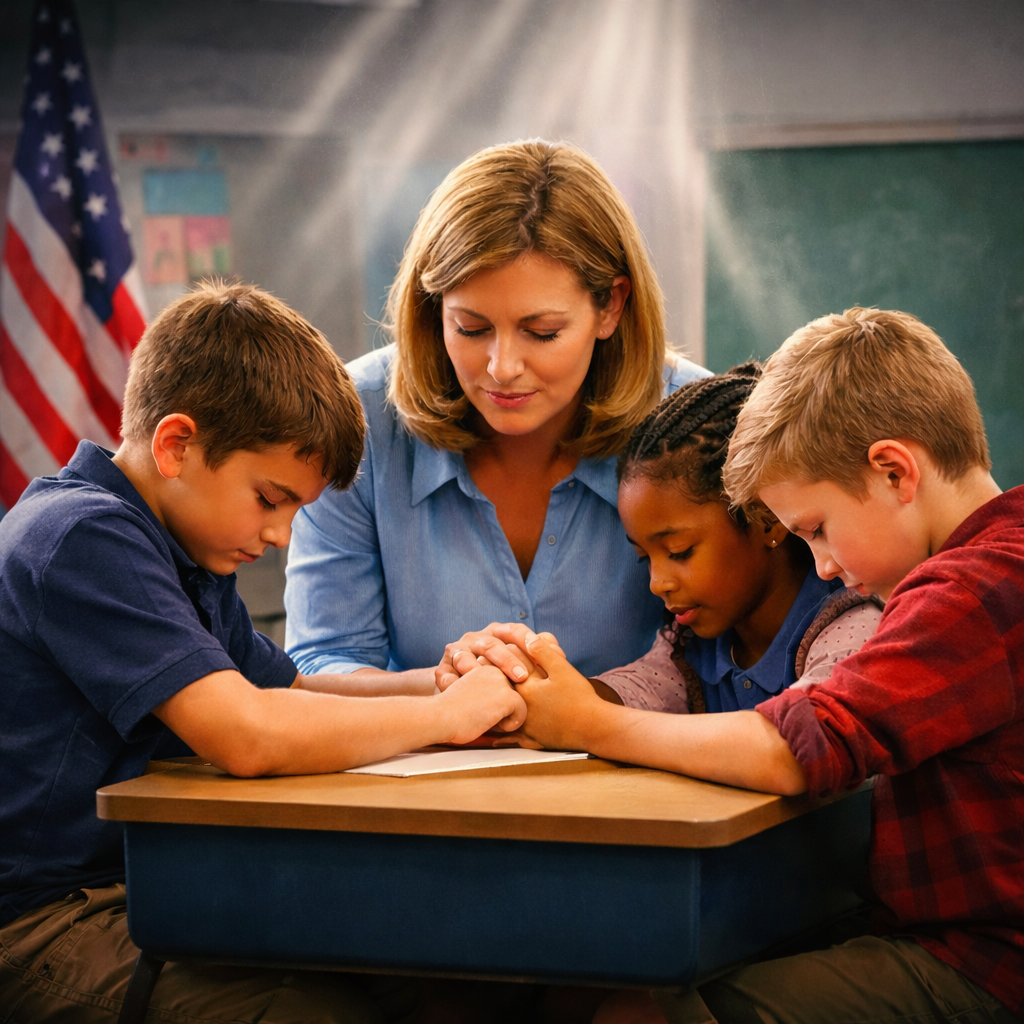
In short, it allows students and teachers to pray in school as long as there is no disruption to other students or school activities, and as long as nobody is coerced or pressured into praying. The guidance goes on to say that teachers and staff can engage in prayer as long as they aren’t doing so in their official capacity or requiring students to join them.
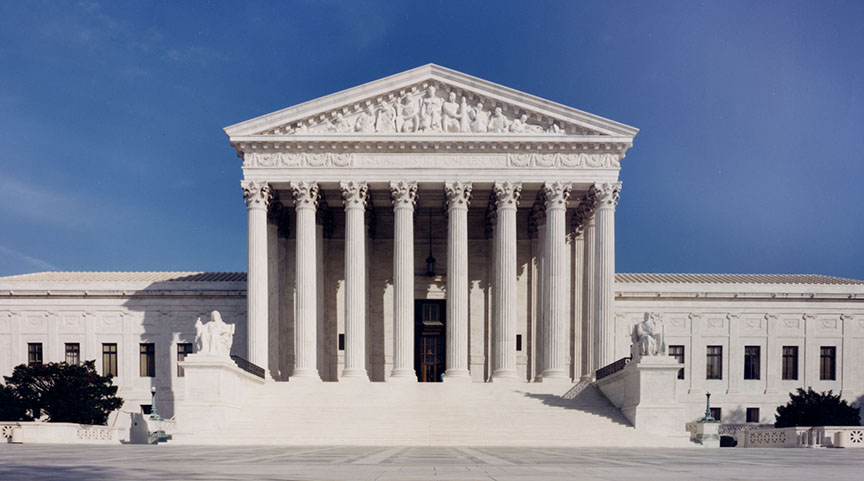
“Under current Supreme Court precedent interpreting the First Amendment’s Free Speech, Free Exercise, and Establishment Clauses,3 all members of a public school community have a constitutional right to religious expression in public schools, including a right to engage in prayer, so long as the school does not compel others to participate in or otherwise affirm that religious expression, and so long as the individuals in question do not engage in such religious expression as part of the official activity of the school itself. It follows that public schools, school officials, and teachers may not suppress such religious expression, but also may not coerce it,” the policy reads.
Another facet of the guidance is that schools are required to protect students from religious harassment and provide accommodations for students whose religious belief mandates that they pray at certain times. Schools are also prohibited from sponsoring religious activities.
This new guidance was issued as a replacement for previous guidance issued in 2023 by the Biden administration. Although most of the current guidance is very similar to that which was issued under the previous administration, there is an emphasis on individual rights to exercise religion in school, particularly for teachers, above ensuring school is religiously neutral. Under the Every Student Succeeds Act, periodic review on prayer in schools is mandatory.
“I don’t envy an administrator that wants to really achieve substantive neutrality in schools from their professional staff, and they’re in an environment where you might be able to push those boundaries,” said Suzanne Rosenblith, dean of the Graduate School of Education at the University of Buffalo.
The guidance also allows schools to teach about religion, but prohibits religious instruction.