The conflict between the United States and Iran showed few signs of easing Sunday as Washington and Tehran exchanged new threats and fighting elsewhere in the Middle East increased pressure on global energy markets.
President Donald Trump again called on Iran to reach an agreement while saying he would be open to meeting Iranian President Masoud Pezeshkian during this week’s United Nations General Assembly in New York.
Iran’s military, meanwhile, warned that it would respond forcefully to additional attacks.
The confrontation has expanded beyond Iran and Israel, with Yemen’s Houthi forces launching missile and drone attacks targeting sites in Saudi Arabia.
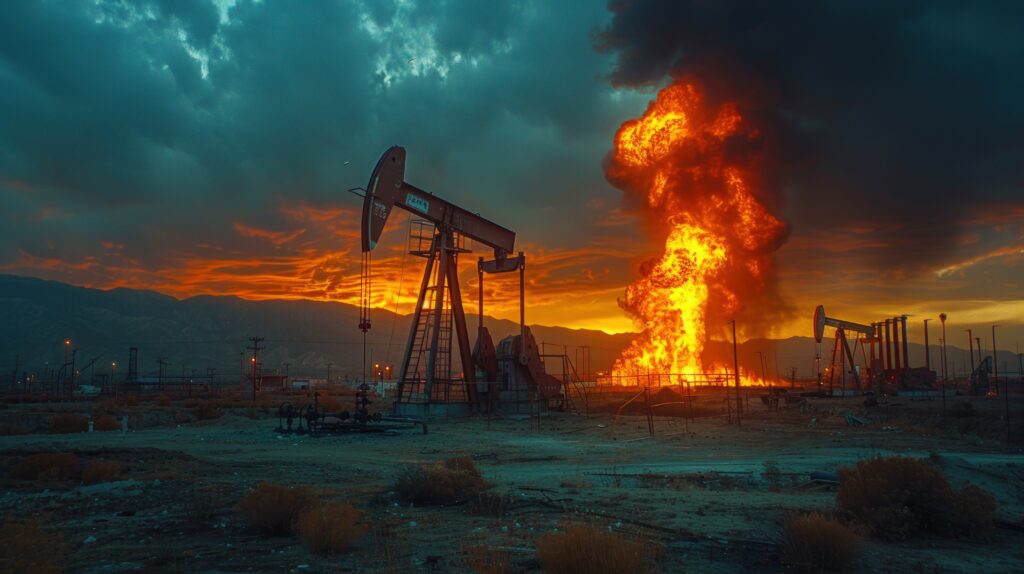
Energy markets have been particularly vulnerable to the fighting.
Iran has restricted traffic through the Strait of Hormuz, one of the world’s most important oil transit routes, while instability near the Bab el-Mandeb Strait has further threatened shipping.
The disruption has contributed to higher oil and fuel prices and has become an increasingly significant factor in U.S. inflation.
The conflict began after U.S. and Israeli strikes against Iran in February. Efforts to establish a lasting ceasefire have repeatedly faltered.
With Pezeshkian traveling to New York for the U.N. gathering, the possibility of renewed diplomacy remains, but no agreement had been announced as of Sunday.
The widening conflict is expected to dominate discussions among world leaders gathering at the United Nations this week.